Learn coffee cup reading step by step: prepare the cup, recognise shapes, compare their positions and explore traditional symbol meanings with illustrated examples.
Selected by Tasseography.org
Read your coffee cup from a photo
Photograph your cup. CoffeeTells uses AI to identify the symbols and create a detailed reading on your iPhone. Explore their meanings and ask follow-up questions in the app.
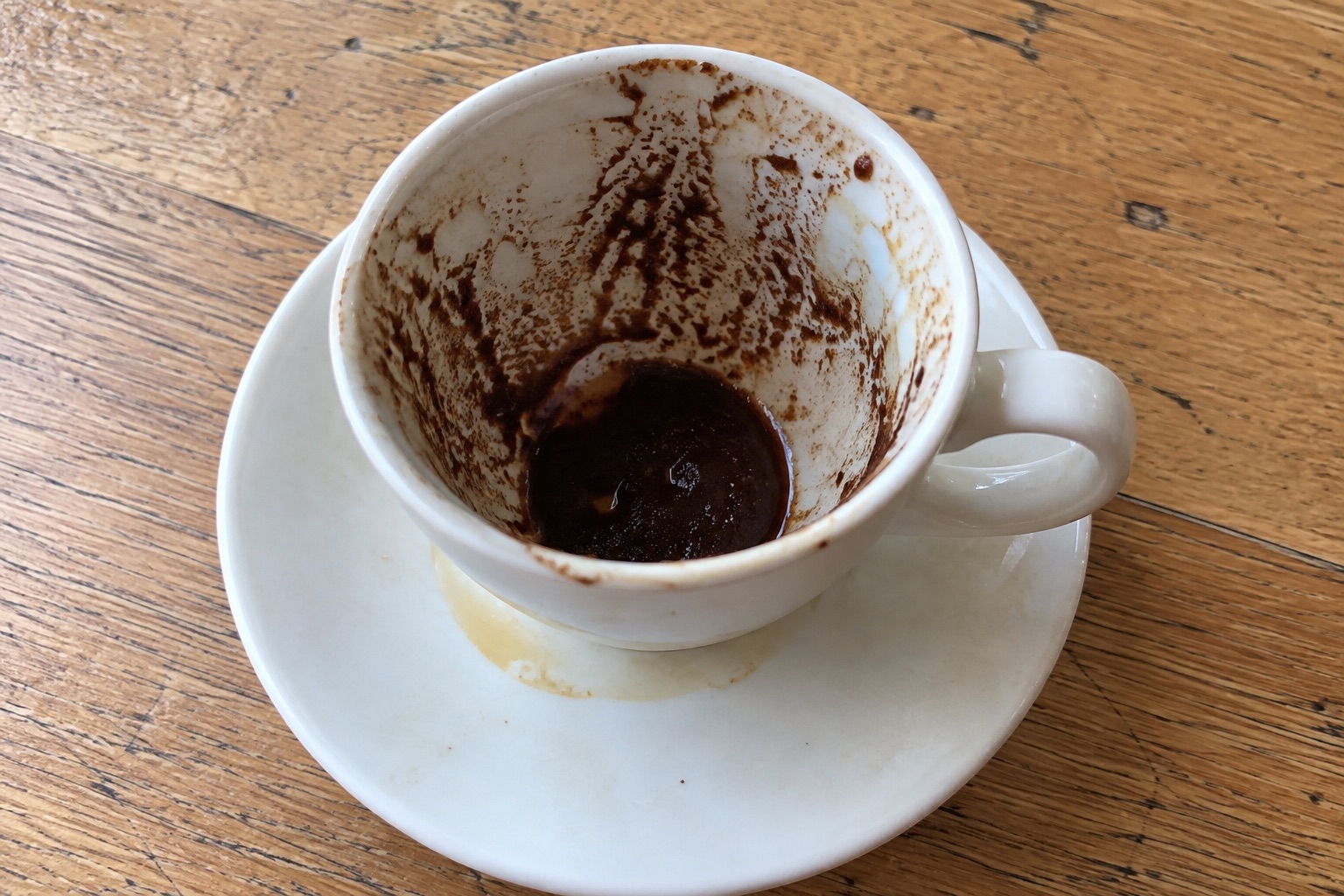
Cup reading is the interpretation of shapes left inside a cup. Coffee cup reading uses settled coffee grounds; tea leaf reading uses loose leaves. Both belong to tasseography, but their preparation and symbol traditions can differ.
Use loose-leaf tea or unfiltered coffee that leaves visible residue. Let the drink cool before handling the cup.
02
Leave the residue to settle
Leave a little liquid, swirl gently and drain over a saucer. Tea and coffee traditions use different rituals.
03
Describe the clearest shape
Look for an outline before choosing a meaning. Note its position and nearby marks; leave unclear shapes undecided.
04
Compare the source
Open the matching symbol entry and check its source notes. Treat an interpretation as a traditional association, not a prediction you can verify from the cup.
For coffee, use unfiltered coffee that leaves fine grounds, such as Turkish-style coffee. Paper-filtered coffee usually leaves too little sediment. Keep only a small amount of liquid, cover the cooled cup with a saucer, turn them together carefully, and let excess liquid drain. There is no universal waiting time: begin when the grounds stop running and their outlines are visible.
Visual references are illustrative and are not records of a specific cup reading.
Tea or coffee?
Tea or coffee?
Tea
Coffee
Material
Loose tea leaves
Settled coffee grounds
Preparation
Drain the remaining tea
Let the grounds settle after turning the cup
Our references
Historical books with named sources
Compiled traditional glossary; source limits are stated
One common convention is shown below. Books and regional traditions differ: cup zones are interpretive guides, not a fixed timetable.
1
Rim
Immediate or present concerns
2
Wall
Matters understood as developing
3
Base
Underlying or longer-term concerns
4
Handle
The person whose cup is being read
Two examples: from a shape to an interpretation
These are hypothetical exercises using illustrative images. For each one, record what you see, where it is, and which source supplies the meaning. The linked coffee entries use our compiled glossary, not a universal or individually documented historical rule.
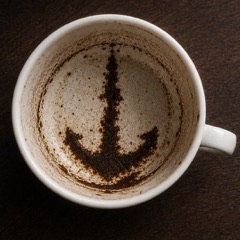
Anchor
Look for a stem, crossbar and curved base before calling a mark an anchor. Our glossary associates an anchor near the top with stability or constancy, and a broken or lower anchor with instability. Describe the actual outline and position first; an unclear mark can remain unidentified.
Look for two rounded lobes meeting at a lower point. The heart entry associates this shape with love, friendship and romance. A mark beside the handle can be considered alongside the reader's personal context, but it cannot establish another person's feelings or predict a relationship.
Choosing a desired meaning before looking carefully at the shape. Write down the outline first, then compare several possibilities.
Combining a coffee meaning, a tea meaning and a cup-position rule from different traditions as if they were one fixed system. Keep track of the source.
Trying to interpret every grain or treating one image as a forecast. Leave uncertain shapes open and keep symbolic reflection separate from decisions that need evidence.
History & sources
Printed guides by A Highland Seer and Cicely Kent document tea-leaf methods, symbol lists and example readings. They are historical records of beliefs and practices, not evidence that cup reading predicts the future. The tea archive names these sources so readers can compare interpretations.
Maintained by Tasseography.org. Coffee meanings come from a compiled glossary; tea entries name their historical sources. Illustrations are visual aids, not photographs documenting a reading. Corrections and source suggestions are welcome.
Questions
What is the difference between cup reading and tasseography?
Cup reading is a plain-language name for interpreting residue in a cup. Tasseography is the broader name for the practice, including coffee grounds and tea leaves.
Can I use any coffee for cup reading?
Use coffee that leaves visible grounds. Turkish-style unfiltered coffee is suitable; paper-filtered coffee and fully dissolved instant coffee usually leave few useful shapes.
How do I read a cup if I cannot see a symbol?
Describe a line, cluster or gap without naming it. Compare the images in the catalog, but do not force a match. It is fine to leave the cup uninterpreted.