Creature symbol

Sheep Coffee Cup Symbol Meaning & Photos

a calm and peaceful person; an admonition to control impulses.
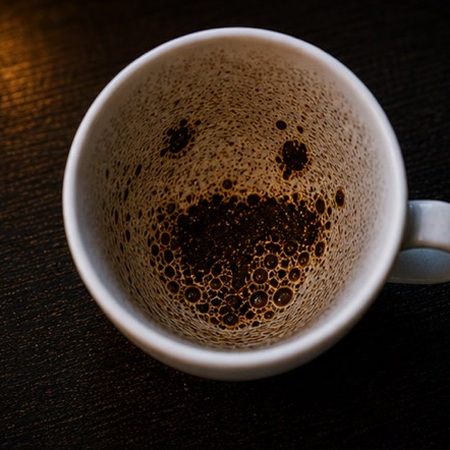
SHEEP coffee cup symbol photo and tasseography meaning
Main Sheep coffee cup symbol photo. Compare this clear reference with the real-cup variations below.

Coffee cup photos

Sheep symbol photo variations

SHEEP coffee grounds symbol photo variation 1
Sheep coffee cup photo variation 1
SHEEP coffee grounds symbol photo variation 2
Sheep coffee cup photo variation 2
SHEEP coffee grounds symbol photo variation 3
Sheep coffee cup photo variation 3

Sheep in coffee grounds is easiest to read by comparing real cup photos first, then checking the meaning. The traditional short meaning is: a calm and peaceful person; an admonition to control impulses. Use the large photo above as the clearest reference and the three variation photos as looser examples of how sheep can appear in an actual cup. In tasseography the value of sheep comes from its condition, placement, and neighbors. A sharp, confident mark has a different voice from a faint or scattered one, so the photo evidence should lead the interpretation.

Coffee grounds behave differently from ink, drawings, or tea leaves. They leave heavier sediment, darker stains, oily speckles, soft rings, and broken edges that can make a symbol look photographic but incomplete. When you search for sheep, begin with the strongest visible shape in the cup photo and then let your eyes relax. The cup does not need to draw a perfect object. It only needs to offer enough resemblance that the symbol keeps returning to your attention after you look away and look back.

Visually, sheep belongs to the creature family of cup signs. This family often points to instinct, allies, rivals, temperament, loyalty, appetite, and the human behavior represented by an animal. Look first for a body-shaped stain with a head, tail, legs, ears, or repeated marks that imply an animal presence. Do not expect a clean picture of sheep; in coffee grounds the sign is usually partial, tilted, or interrupted by random dots. If the form is too perfect, it is probably your imagination forcing the mark; if it is too vague, it may simply be background texture. A useful reading sits between those extremes. The symbol should be recognizable, but still made from ordinary residue: thick and thin patches, accidental drips, interrupted edges, and small grains that refuse to behave like ink.

A convincing reading often depends on one strong identifying feature and two or three accidental marks that support the impression. Compare the darker clumps with the pale negative space, because the eye may recognize sheep from either the grounds or the gaps between them. Rotate the cup slowly before deciding. Many beginners lock onto the first image they see and miss a clearer version at a different angle. Also compare the symbol with similar shapes. A creature sign can easily borrow features from another object: a vessel may look like a bowl or a cup, a creature may become a dog or a fox, and a sign may shift between a cross, star, or letter. The name you choose should be the one that best explains the whole cluster, not only a single line.

Near the rim, sheep usually speaks about an active situation: something the querent can already see, name, or respond to now. A rim placement gives the reading urgency. If the mark is clean and easy to notice, the matter is close to the surface and likely already in conversation. If the mark is smeared along the rim, the message may be spreading through gossip, messages, or repeated thoughts. In a practical reading, rim symbols are good places to ask: What can the querent do today? What evidence is already visible? What part of this question is no longer hidden?

In the middle wall of the cup, sheep describes the next stage of the matter, especially the practical choices that shape the coming weeks. This is often the most useful zone for sheep, because it shows process. The middle of the cup is where intention turns into action. A strong middle placement can show that the querent has enough information to choose a direction, but not yet enough certainty to see the final result. If the middle sign leans toward the handle, the querent has more control. If it leans away, the matter may depend on timing, distance, another person, or a response that has not arrived.

At the base, sheep is slower and heavier. It points to an underlying motive, a delayed result, or the emotional root of the question. Base symbols deserve patience. The bottom of the cup is dense, and forms there can be dark, heavy, or hard to separate from the general grounds. For sheep, that heaviness can mean the issue is rooted in habit, memory, fear, family pattern, or a long-running desire. A fortunate base mark may promise endurance rather than speed. A difficult one may show the real reason a surface problem keeps returning. Do not rush a base reading; it often explains why the rest of the cup feels the way it does.

Close to the handle, sheep is personal. It tends to concern the querent directly, their home circle, or a decision only they can make. The handle is the anchor point of the reader's map. A symbol beside it usually belongs close to the querent's identity, home, body, schedule, or private decision. If sheep touches the handle side, avoid making the message too abstract. Ask what it says about the querent's own role. If it sits opposite the handle, the same symbol may describe outside influence: a visitor, institution, distant person, opportunity, pressure, or news that comes from beyond the immediate circle.

In general readings, keep the interpretation flexible. The symbol can describe a person, an event, a mood, or a practical instruction, depending on where it sits and what surrounds it. A symbol can also change tone according to clarity. Clear does not always mean happy; it means direct. Broken does not always mean bad; it means interrupted, conditional, or unfinished. When sheep appears as several smaller marks rather than one large one, read it as repetition. The same theme may appear in several conversations, errands, attempts, or small decisions before it becomes one visible result.

Combinations matter because coffee readings are rarely single-symbol answers. sheep beside deer makes the reading more active and suggests that the symbol is already moving into events. sheep near goat asks the reader to compare the main meaning with the surrounding emotional or practical context. If sheep is broken, faint, or crossed by lion, treat the message as delayed, complicated, or dependent on another person. Several small marks around sheep, especially with pig, usually make the interpretation social: conversations, witnesses, errands, or repeated attempts. If a bright or fortunate sign sits above sheep, it can lift the reading and show help, recognition, or relief. If a warning sign cuts across it, the symbol may still be true, but the querent should move more carefully. When two symbols seem to face each other, read them as a relationship. When one points toward another, read it as cause and effect.

For a real cup comparison, use the photograph as a reference rather than a template. Your cup will not match the example exactly. It may show only the edge, motion, or emotional feel of sheep. Look for the feature that makes you say the name before you can explain it, then test that impression with the rest of the cup. Does the surrounding pattern support the meaning? Does the position match the question? Are there nearby marks that confirm, delay, or contradict it? This slower method produces better readings than simply matching silhouettes.

A balanced interpretation of Sheep should leave room for the querent's situation. Traditional tasseography is symbolic, not mechanical. The same mark can describe an event in one cup and a personality in another. It can be literal when the question is practical, emotional when the question is relational, and advisory when the cup is full of signs pointing in different directions. Use the old meaning as the root, the visual form as the evidence, and the surrounding cup as the context. That is how sheep becomes more than a dictionary entry and starts to work as part of a complete coffee-ground reading.

Cup position

How placement changes the reading

Rim

Near the rim, sheep usually speaks about an active situation: something the querent can already see, name, or respond to now.

Middle

In the middle wall of the cup, sheep describes the next stage of the matter, especially the practical choices that shape the coming weeks.

Base

At the base, sheep is slower and heavier. It points to an underlying motive, a delayed result, or the emotional root of the question.

Handle

Close to the handle, sheep is personal. It tends to concern the querent directly, their home circle, or a decision only they can make.

Continue the reading

Compare this symbol with nearby cup marks, then return to the atlas to check related shapes and refine the interpretation.

Open symbol browser